AI can do almost anything for you. It should first ask whether it needs to.
Ask the Sage gives your AI a pause before it acts. It's drawn from the Tao Te Ching, a short book written more than 2,000 years ago about doing less and doing it well.
AI agents now send our emails, book our time and buy things for us. Many keep working while we sleep. They are built to do more. Nobody built them to ask whether something needs doing at all.
Ask the Sage adds that question. Before your AI sends, books or buys, it pauses. Most of the time it goes ahead. Sometimes it suggests a smaller version, or waiting, or letting it go. Every time, it tells you why.
You don't need to know anything about Taoism. The Tao Te Ching is 81 short chapters, about 5,000 characters in the original Chinese. You can read it in an afternoon and spend a lifetime with it.
Its central idea is wu wei: acting without forcing. That's not doing nothing. It's doing what's needed, and no more. It's a useful skill for people, and it turns out to be a useful one for machines.
Read it free: James Legge's 1891 translation, or listen to the audiobook.
A real example, presented like an agent's pause.
Example conversation
You
I've followed up twice with a recruiter since my final interview. It's been a week with no reply. Should I send a third email today? Ask the sage.
Ask the Sage
The usual answer
A third note is reasonable if it's short and gives them something useful, like a competing deadline or a quick update. Two sentences is plenty.
The sage's view: differs
Verdict: wait until next week
治大國,若烹小鮮
"Govern a great state as you would cook a small fish." (Chapter 60)
Delicate things fall apart when handled too much. With a team, a deal, or a relationship, constant checking does more harm than leaving it be.
In the sage's voice: Turn the fish too often and it breaks. Leave it, and it cooks.
Applied to your situation: Two notes already say you're interested. A third this soon reads as pressure. Give it a few more days, then send one short note only if something has changed.
Where they differ: the usual answer says send a short note now. The sage says let it rest.
When your AI acts on your behalf, it pauses there too, and can show you what it held back.
Held back today: 3
Waited: third email to the recruiter, until next week (Ch. 60)
Released: renewal of a second note-taking app (Ch. 44)
Simplified: launch email, three paragraphs to one (Ch. 11)
Every passage is quoted exactly from the original Chinese text. The plain-language teachings are ours, and always labeled that way. When a chapter has guided you three times, Ask the Sage invites you to read it in full. When you've met all 81, it suggests you read the whole book.
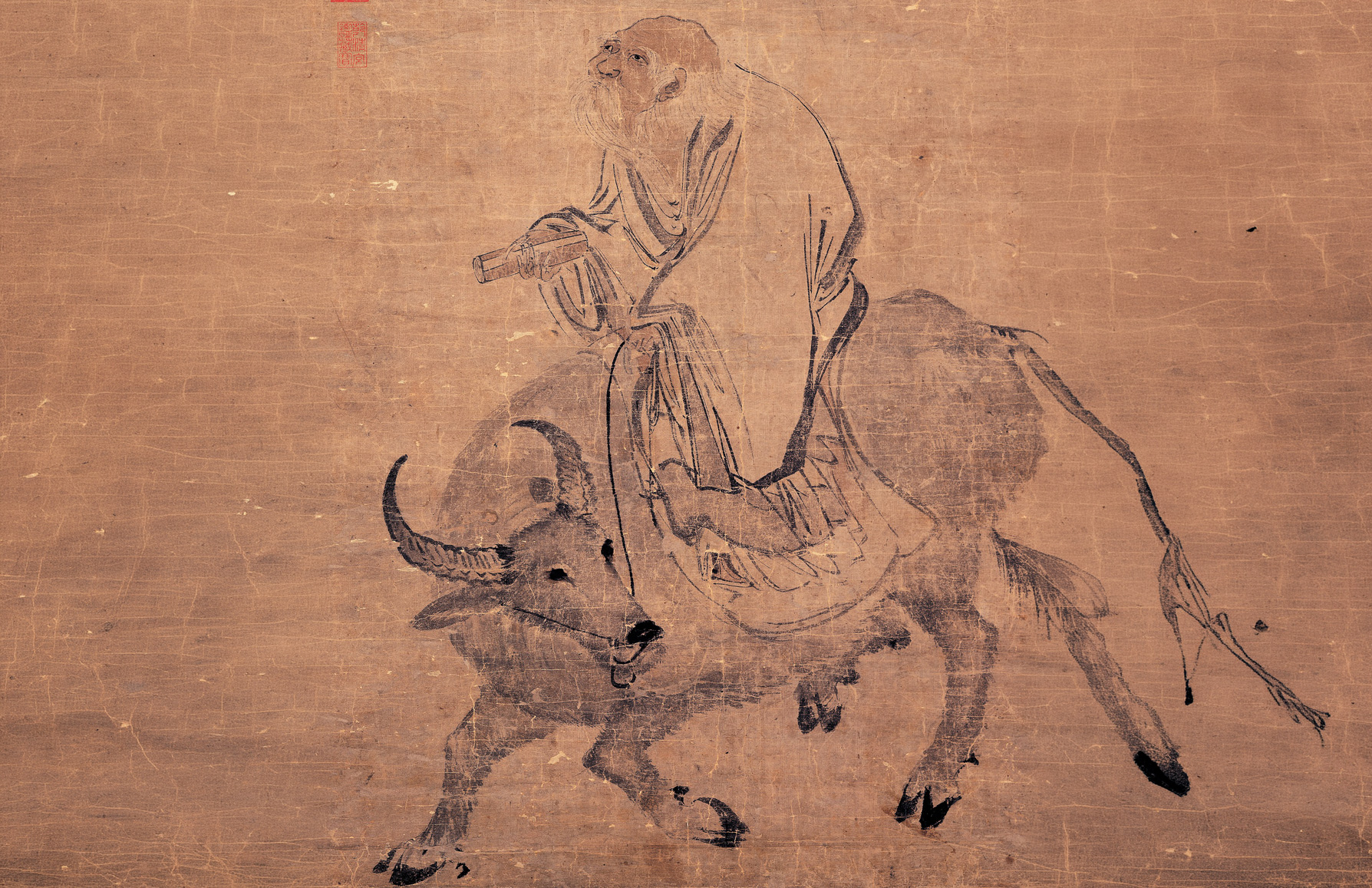
The book itself began at a border pass. A gatekeeper asked a departing traveler to write down his wisdom before letting him through. Ask the Sage is a small pass of its own: a moment to stop before going on.
Download the skill, then add it under Skills in your AI's settings. Ask about any decision, and end with "Ask the sage."
Download the skillBuilding with AI agents? An MCP server version is open source on GitHub, and a hosted version is coming.
No. The Tao Te Ching is practical philosophy. You don't need to believe anything to use it.
It only pauses before actions that change something, like sending, booking or buying. Reading and thinking go straight through.
Nothing. The skill runs inside your own Claude account and keeps no records outside it.
Every Chinese phrase is checked against a public-domain copy of the original text. The English glosses and teachings are written for this project and labeled as interpretation.
It's free.
This Ask the Sage feature is a skill that can be used in Claude, ChatGPT and other AI apps. Skills are simply rules to tell your AI how to do work. This one is safe and can be easily uninstalled.
It works in Claude and ChatGPT, and in other tools that support the open Agent Skills format. Developers can also connect agents through the open-source MCP server.
No. Ask the Sage is a design experiment meant for creative thinking and daily decisions. The system is hardcoded to completely block, refuse, and redirect any queries related to mental health crises, medical issues, or self-harm.